How the work was made
Seven pieces, and the specific thing that was difficult about each one — the material that gives a render away, the shot a camera cannot take, the decision that would have looked wrong if it had gone the other way.
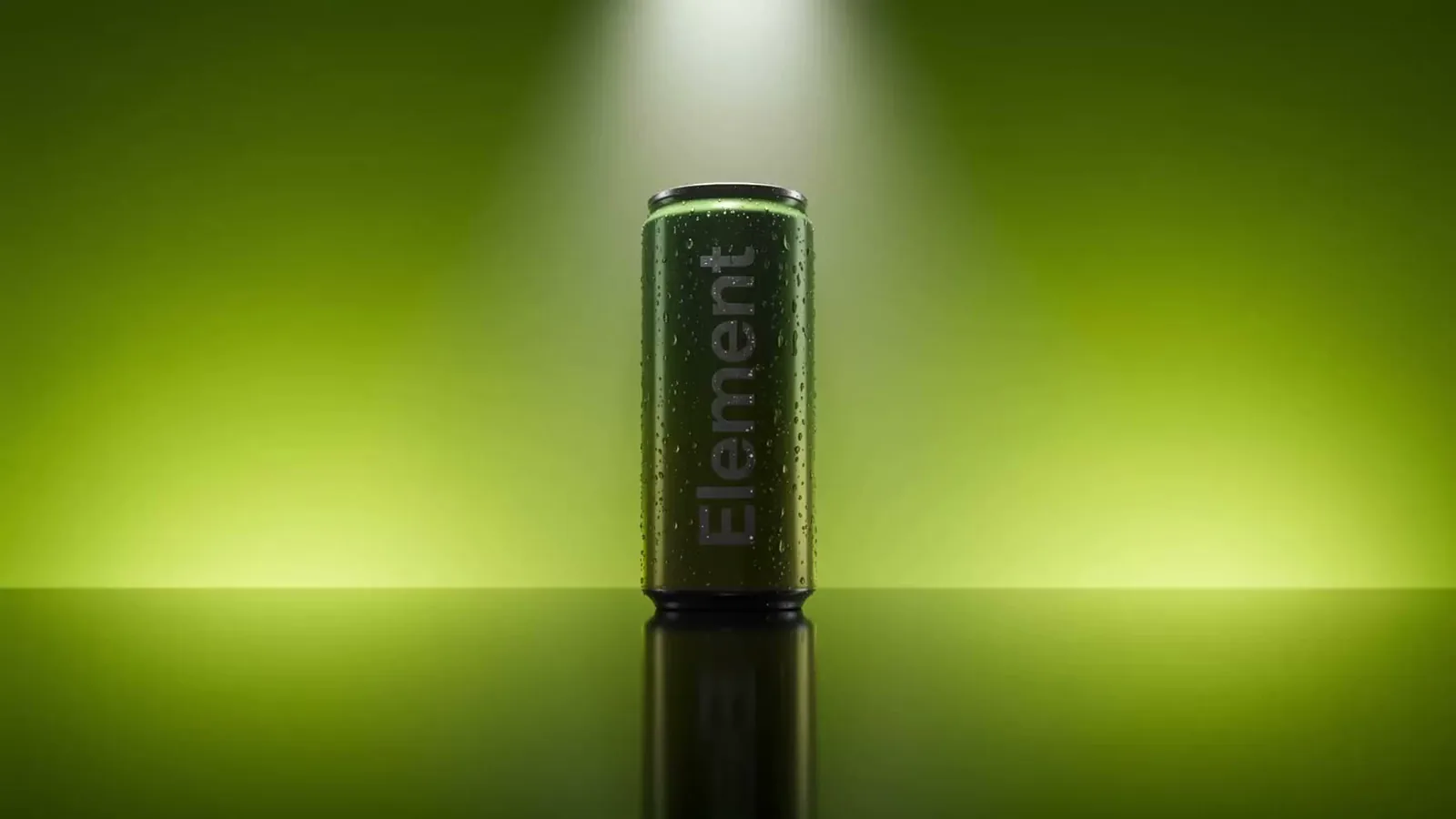 A beverage can, built once and shot every wayHow a beverage can was built as a digital product — anisotropic aluminium, label wrap on a compound curve, and simulated condensation that refracts rather than decorates.
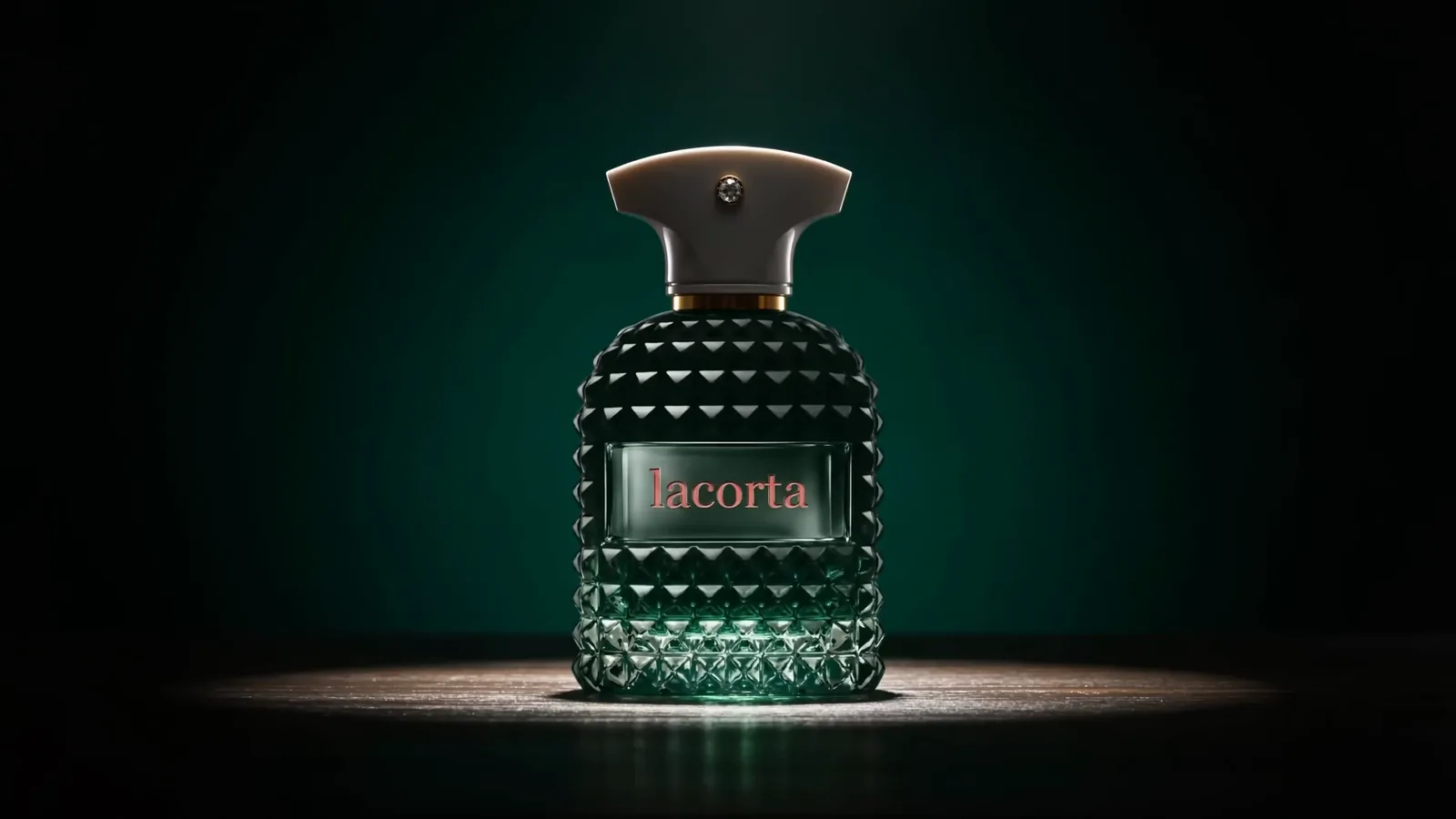 A fragrance bottle, and the light going through itA faceted fragrance bottle rendered as real glass — dispersion, caustics and a spotlit hero film, with ink-in-water simulation cut against it.
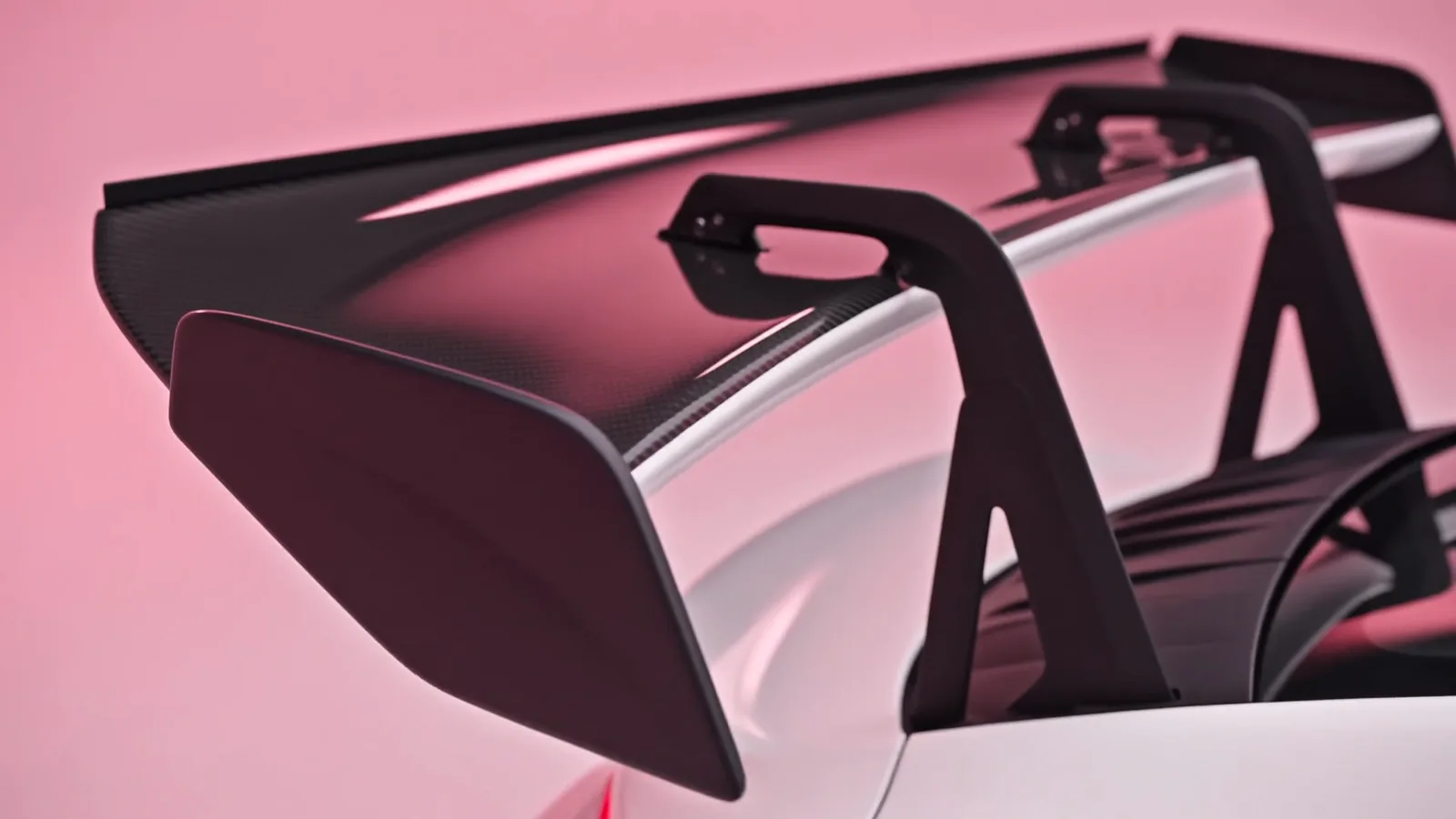 A car is a mirror, so we built the room firstA sports car rendered on a coloured cyclorama — two-layer clearcoat, woven carbon fibre and an environment built specifically so the paint had something true to reflect.
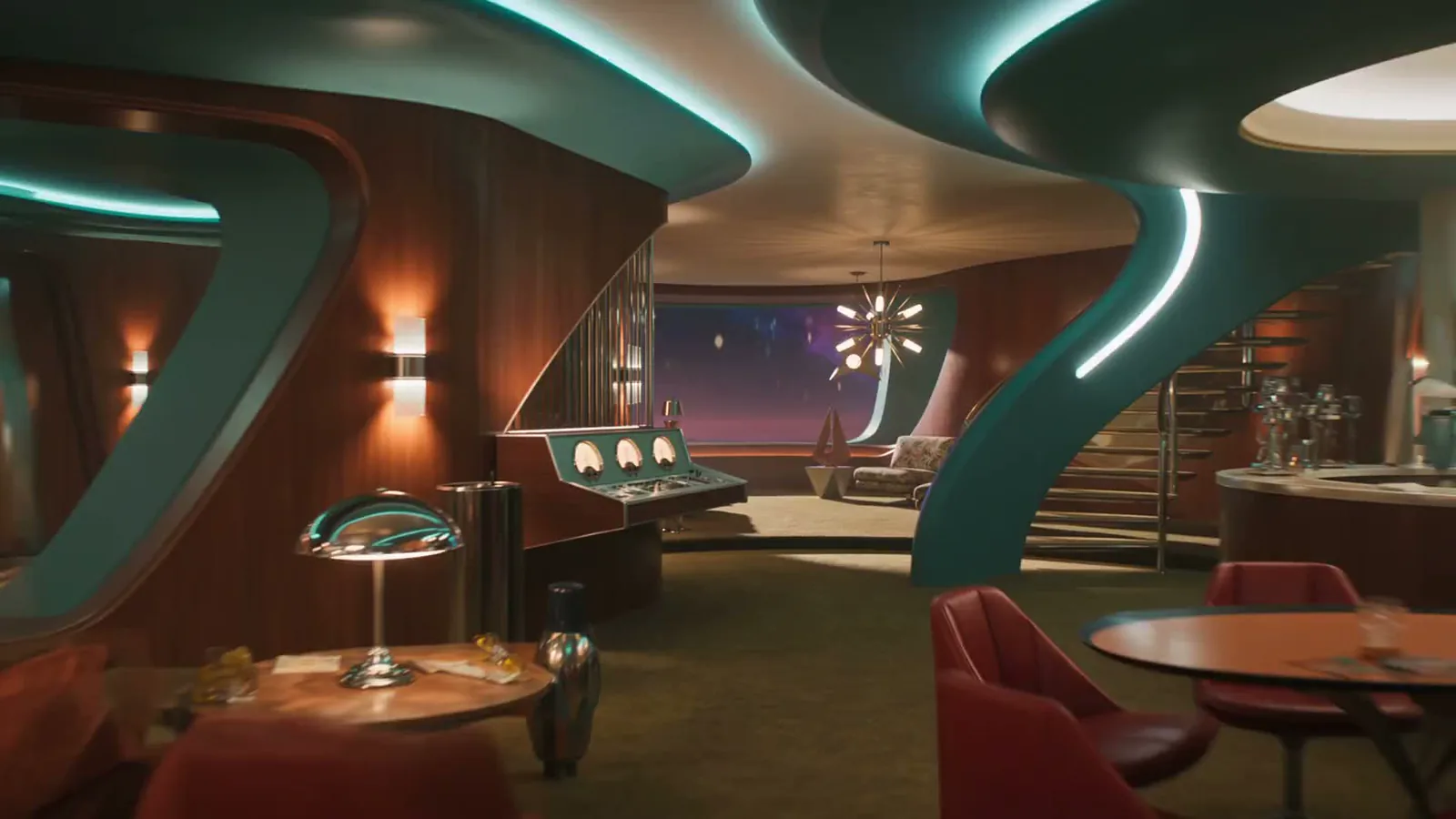 A room built once, shot from anywhereA retro-futurist interior built entirely in CG — curved timber, neon coving, textiles — lit once and shot from angles no real room would let a camera reach.
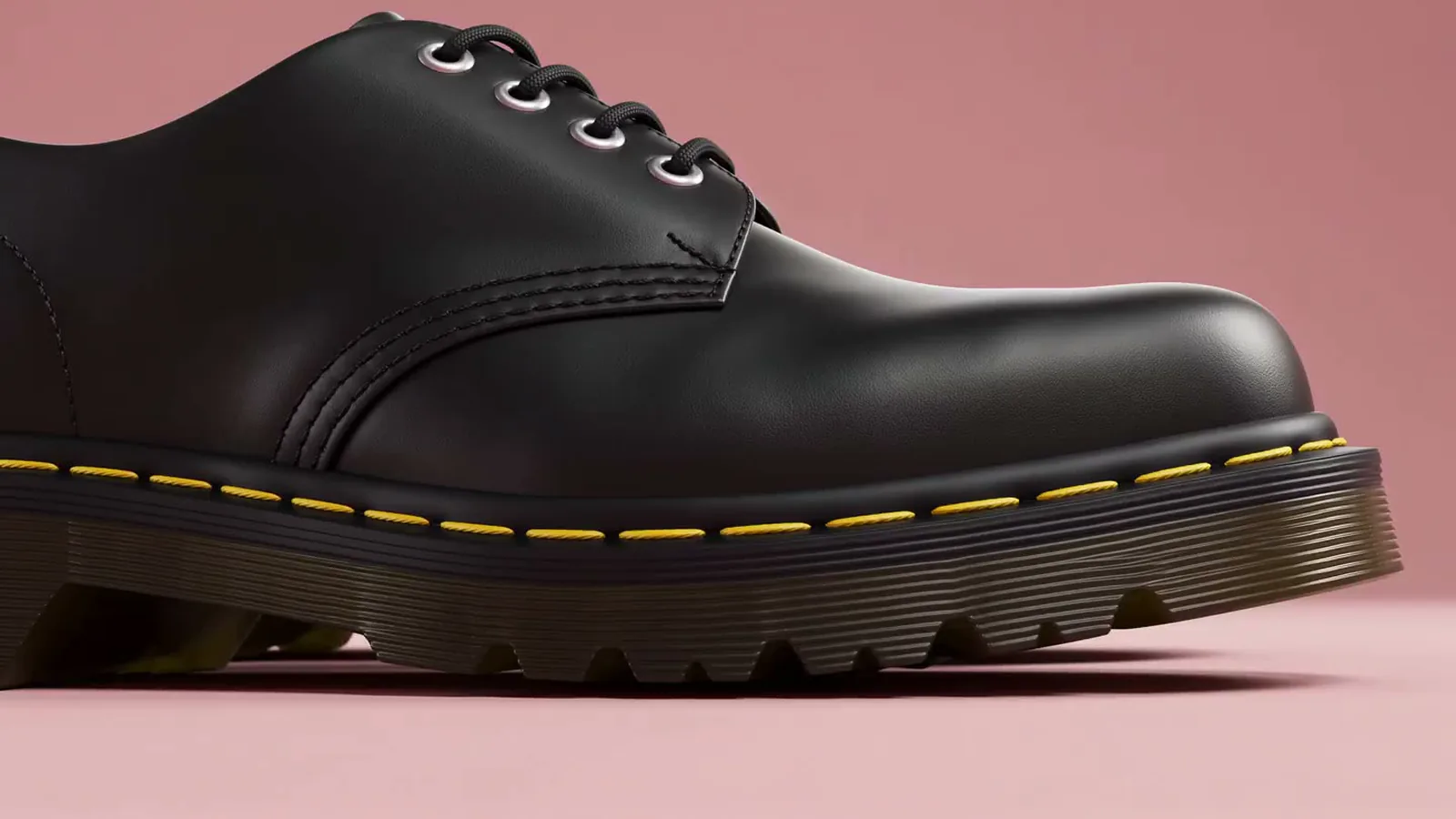 A boot, close enough to see the threadA leather boot rendered at macro distance — directional grain, thread with real thickness, and the sole geometry most footwear renders quietly crop out of frame.
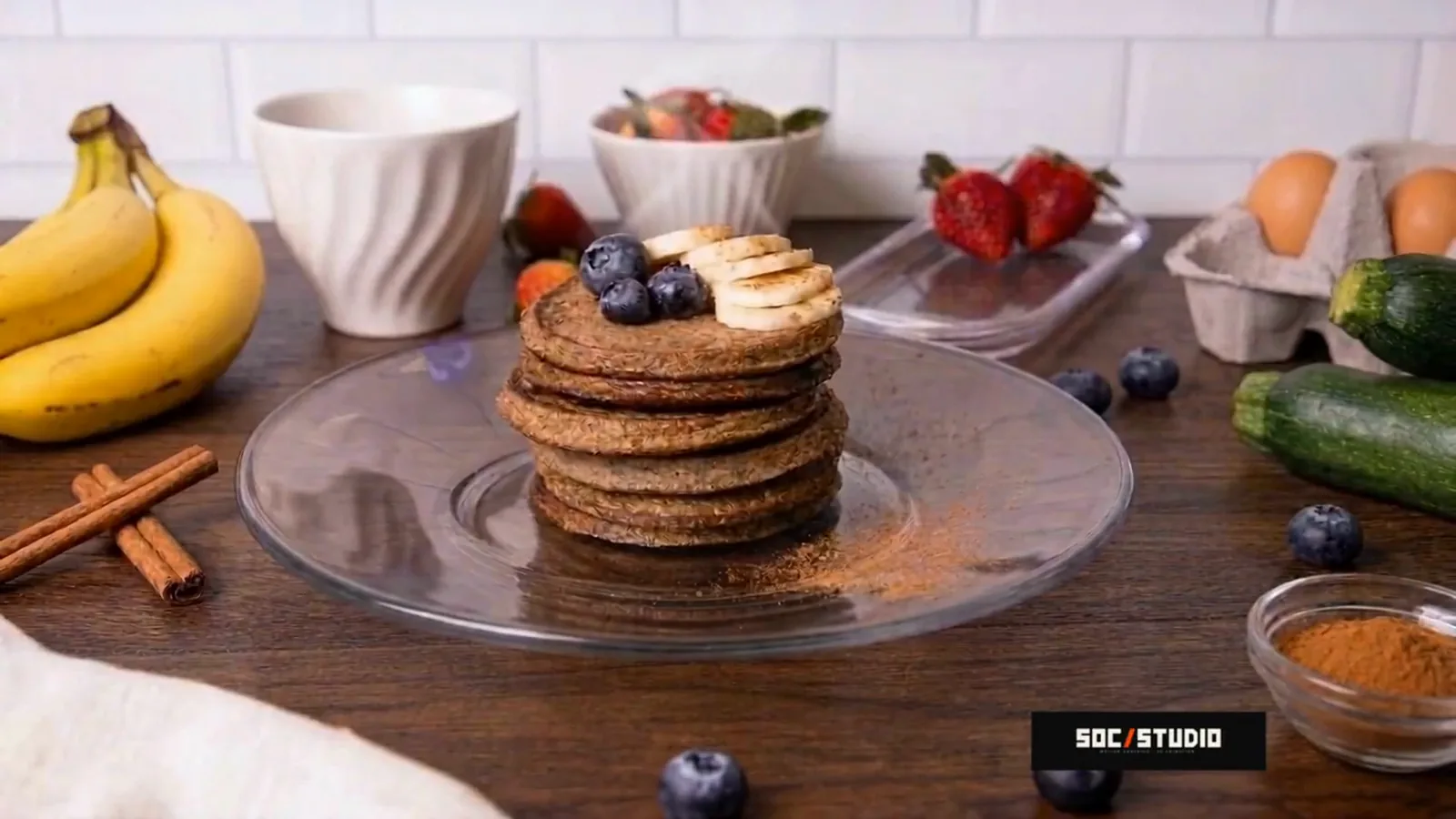 Food that assembles itselfA food animation assembled in CG — batter, fruit and syrup rendered with subsurface scattering, and a build sequence that would be impossible to shoot in reverse.
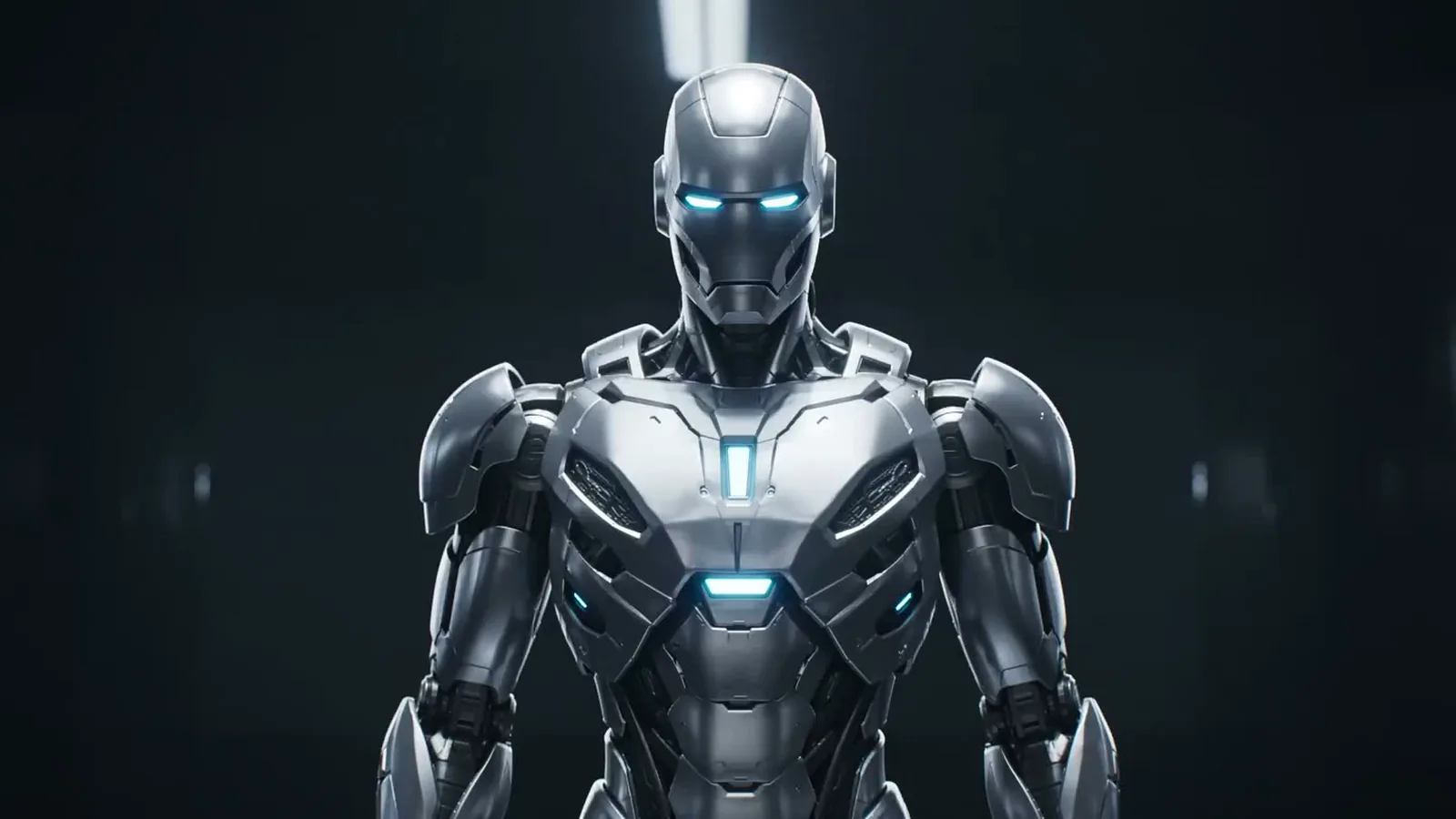 A character built to be shot, not just modelledA hard-surface CG character built for brand film — panelled armour, emissive detail and a lighting setup that survives being cut against a live-action jungle plate.